
Modern Home Design: 17 Powerful Ideas Redefining Stylish Living in 2026
Explore modern home design ideas that blend style, comfort, and functionality. Learn layouts, trends, and smart solutions shaping contemporary living.
Abdullah Qureshi
1/2/20263 min read
What Is Modern Home Design?
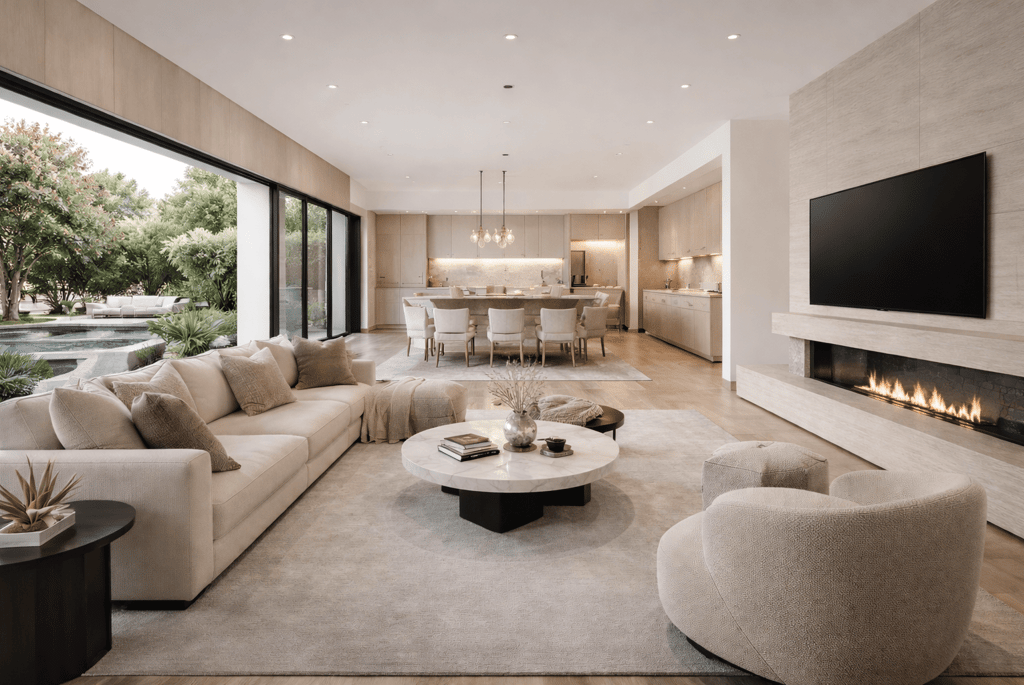
Modern home design is a design approach that focuses on simplicity, functionality, and balance. It emphasizes clean lines, uncluttered spaces, and thoughtful use of materials. Instead of heavy decoration, modern interior design relies on purposeful layouts and subtle elegance.
At its core, modern home design creates spaces that feel open, calm, and efficient. It blends aesthetics with everyday practicality, making homes easier to live in and maintain. Today’s modern homes also incorporate smart technology, sustainable materials, and natural elements to enhance comfort and well-being.
Why Modern Home Design Is So Popular
Modern home design has gained widespread popularity because it adapts well to changing lifestyles. People want homes that support work, relaxation, and social living without feeling crowded or overwhelming.
Key reasons for its popularity include:
Better use of space in small homes and apartments
Clean, timeless aesthetics
Flexible layouts for multifunctional living
Compatibility with smart interior design systems
Lower maintenance and clutter-free environments
Whether applied to compact apartments or spacious homes, modern home design delivers both beauty and function.
Core Principles of Modern Home Design
Clean Lines and Open Floor Plans
Open floor plans are a defining feature of modern home design. By reducing unnecessary walls, spaces feel larger, brighter, and more connected. Living rooms, dining areas, and kitchens often flow into one another, creating a sense of openness.
This approach is especially effective for interior design ideas for small spaces, where every square foot matters.
Neutral Color Palettes with Purposeful Accents
Modern interiors typically use neutral colors such as white, beige, grey, and soft earth tones. These shades create a calm base that allows furniture and textures to stand out.
Accent elements—such as bold cushions, textured walls, or statement art—add personality without overwhelming the space. This balance is essential in modern interior design.
Natural Light and Visual Flow
Large windows, glass doors, and open layouts allow natural light to move freely throughout the home. This creates a brighter, healthier living environment and reduces the need for artificial lighting.
Natural light also enhances biophilic interior design, which connects indoor spaces with nature.
Modern Home Design for Small Spaces
Space-Saving Interior Design Ideas
Modern home design excels in small homes by prioritizing efficiency. Popular solutions include:
Built-in storage
Wall-mounted furniture
Foldable or extendable tables
Hidden cabinets
These ideas help maintain a clean look while maximizing functionality.
Minimalist Interior Design for Apartments
Minimalism plays a key role in modern apartment interior design. It focuses on quality over quantity, ensuring each item serves a clear purpose. Fewer objects create more visual space and reduce stress.
Minimalist interiors are ideal for anyone seeking a calm and organized home environment.
Living Room Ideas in Modern Home Design
Modern living rooms are welcoming yet uncluttered. Common features include:
Simple sofas with clean shapes
Neutral rugs and layered textures
Statement lighting fixtures
Wall art instead of heavy decor
This balance makes living rooms stylish, comfortable, and functional.
Kitchen Trends in Modern Home Design
The modern kitchen blends design with efficiency. Popular features include:
Open layouts with kitchen islands
Handle-less cabinets
Matte or natural finishes
Smart appliances
Search interest in kitchen interior design ideas with island continues to grow as homeowners seek both style and practicality.
Bedroom Concepts for Modern Homes
Modern bedrooms focus on rest and relaxation. Design elements often include:
Soft, layered lighting
Neutral bedding and textures
Minimal furniture
Clutter-free layouts
The goal is to create a peaceful retreat that supports better sleep and comfort.
Bathroom Ideas in Modern Home Design
Modern bathrooms feel clean and spa-like. Common features include:
Walk-in showers
Floating vanities
Large mirrors
Neutral tiles
These elements contribute to a sense of openness and luxury without excess.
Smart Technology in Modern Home Design
Smart home features are now a major part of modern home design. Popular upgrades include:
Smart lighting systems
Voice-controlled devices
Automated climate control
Smart security systems
These technologies improve comfort, efficiency, and daily convenience.
Sustainable and Eco-Friendly Design
Sustainability is becoming a core element of modern home design. Eco-conscious choices include:
Energy-efficient lighting
Sustainable building materials
Indoor plants
Natural ventilation
Sustainable interior design not only reduces environmental impact but also creates healthier living spaces.
Luxury Meets Minimalism
Luxury in modern home design is subtle. It focuses on high-quality materials, refined finishes, and thoughtful details rather than excess decoration. This approach creates elegant interiors that feel sophisticated yet comfortable.
Blending Culture with Modern Design
Modern home design allows for personal and cultural expression. Traditional patterns, handcrafted decor, or meaningful artwork can be integrated into modern spaces without disrupting the clean aesthetic.
This fusion makes modern home design adaptable and deeply personal.
Common Mistakes to Avoid
Overcrowding the space with furniture
Ignoring natural light
Choosing trends that reduce functionality
Using too many colors or textures
Keeping design intentional is key to successful modern interiors.
Frequently Asked Questions
1. What defines modern home design?
Clean lines, open layouts, neutral colors, and functional spaces define modern home design.
2. Is modern home design suitable for small homes?
Yes, it is ideal due to its focus on space efficiency and simplicity.
3. Can modern home design be budget-friendly?
Absolutely. Smart planning and minimalism help control costs.
4. How is modern design different from minimalist design?
Minimalism is stricter, while modern design allows more warmth and flexibility.
5. What materials work best in modern interiors?
Wood, stone, glass, metal, and sustainable materials work well.
6. Can modern home design feel warm and inviting?
Yes. Texture, lighting, and natural elements add warmth.
Conclusion
Modern home design is a timeless approach that blends beauty, comfort, and functionality. By focusing on simplicity, thoughtful layouts, and smart choices, modern interiors create spaces that support everyday living while remaining stylish and adaptable.